 Cross Over Mission International
A Man Seized by Grace
Before He Was Paul—A Fire Without Light
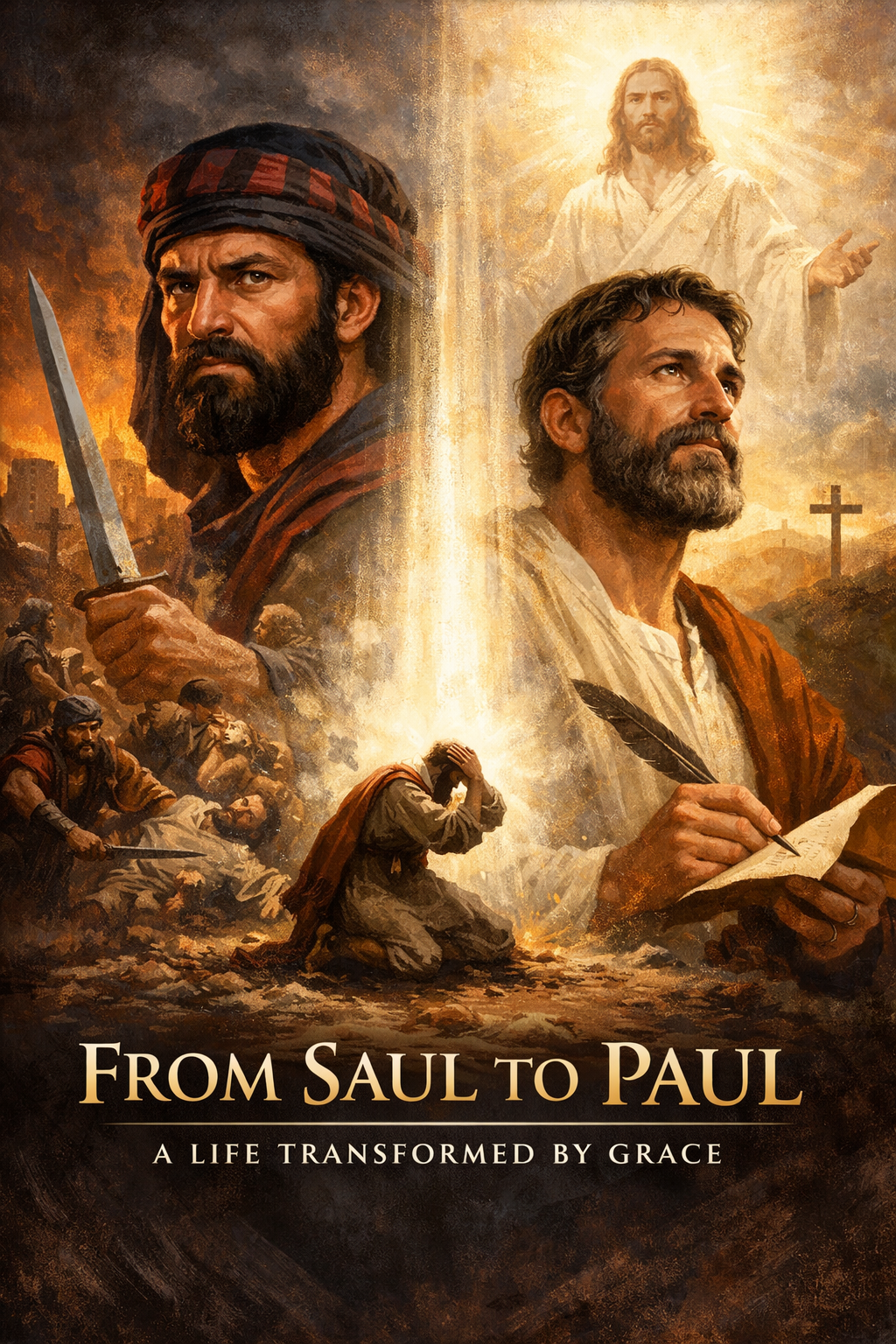
He was Saul before he became the great apostle—brilliant, educated, disciplined, and dangerously sincere. Paul did not persecute Christians because he was evil; he did it because he believed he was right. That is the tragedy of misguided zeal.
Saul guarded the coats of those who stoned Stephen. He heard Stephen pray for forgiveness over his killers. That prayer did not disappear into the air—it followed Saul to Damascus.
“Sometimes God plants the seeds of our transformation long before we surrender.”
The Road That Broke Him
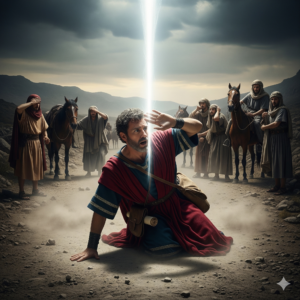
On the road to Damascus, Jesus did not give Saul a sermon. He gave him a question:
“Why are you persecuting Me?”
Not “My people.”
Not “My followers.”
But “Me.”
In that moment, Saul learned a mystery many overlook—when believers suffer, Christ feels it personally. The persecutor discovered he had been fighting God Himself.
Blind for three days, Saul sat in darkness—the same darkness he had caused others. God often breaks our outer vision before giving us inner sight.
Chosen—But Not Celebrated
When God called Paul, He also revealed his future suffering. This is something many don’t notice. Paul’s calling included pain.
He would face rejection from Jews, suspicion from Christians, imprisonment by Romans, and loneliness in ministry.
Yet he never called himself a victim. He called himself a servant.
Paul’s uniqueness lies not just in preaching—he loved the very people who misunderstood him. His letters carry correction, but they also carry tears. In one place he writes that he wept over the churches. A warrior with a shepherd’s heart.
The Hidden Struggle—The Thorn in the Flesh
Paul mentions a “thorn in the flesh,” but Scripture never reveals exactly what it was. Weak eyesight? Chronic illness? Spiritual attack? God left it unnamed.
Why? Because your thorn may be different from his.
Paul asked three times for God to remove it. God did not remove it. Instead, He said,
“My grace is sufficient for you.”
The man who healed others lived with his own unanswered prayer. And still, he worshiped.
Prison—His Greatest Pulpit
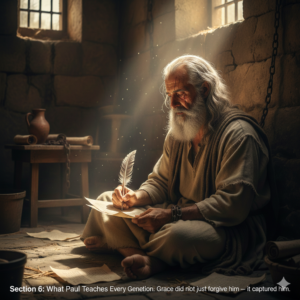
Many of Paul’s most powerful letters were written in chains. Philippians, the letter of joy, was written in prison.
While bound physically, his spirit was unchained.
What no one talks about enough is this: Paul was often alone. Friends left. Some betrayed him. Yet he finished strong. At the end of his life, he did not boast of miracles. He said,
“I have fought the good fight. I have finished the race.”
Faithfulness mattered more to him than fame.
What Paul Teaches Every Generation
To the young, passion must surrender to truth.
For adults, purpose is worth suffering for.
And for the elderly, endurance creates an eternal legacy.
Paul’s life whispers a deep truth: God does not call the perfect. He calls the surrendered.
The man who once tried to silence the Gospel became its loudest voice.
From persecutor to prisoner.
From scholar to servant.
And from Saul to Paul.
Grace did not just forgive him—it captured him.
https://crossovermissioninternational.com
https://www.biblegateway.com